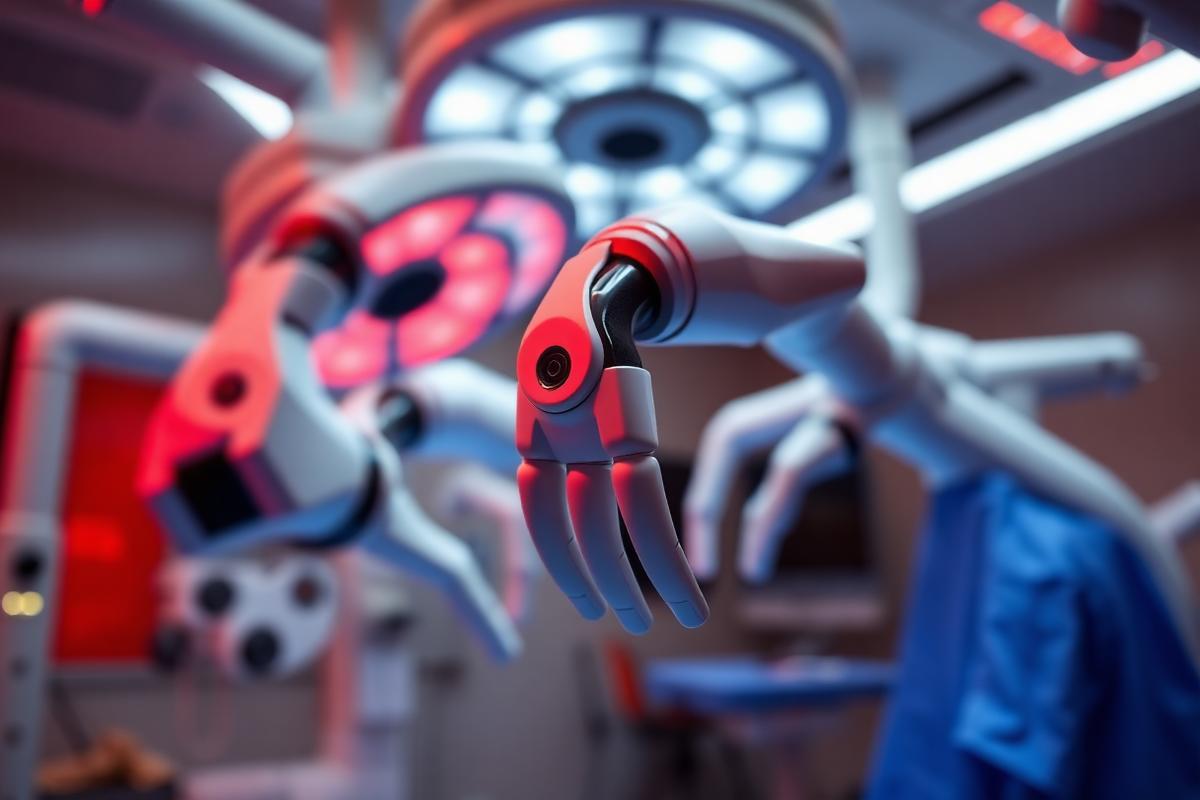
Weill Cornell Surgeons Complete First U.S. Trial of Semi-Autonomous Cardiac Surgery
A 47-patient study suggests AI-guided systems may match — and sometimes exceed — human precision.
Cornell is, by many measures, an institution of unusual scale: a private university with a public mission, an Ivy League school with an agricultural college, a Roosevelt Island campus and a Geneva research station and a medical college on the Upper East Side.
This story is one chapter in a long, deliberate effort to make sense of an institution that resists easy summary.
"We didn't set out to change the world. We set out to understand why something was misbehaving — and then to keep being wrong, in interesting ways."
What follows is a record of conversations, documents, and field reporting conducted between September and November of this year.
The reporting suggests that beneath the headlines lie a set of patient, decade-long commitments — to research, to teaching, and to a region of upstate New York that has hosted Cornell since 1865.
The result, if it survives the next wave of independent replication attempts, will likely be remembered alongside the discoveries that built the modern semiconductor industry — not for its immediate engineering applications, but for what it suggests about how much we still have to learn from materials we thought we understood.
Eleanor Whitfield is a senior science correspondent for The Cornell Post. She can be reached at ew@thecornellpost.com.
More From The Post
All Stories →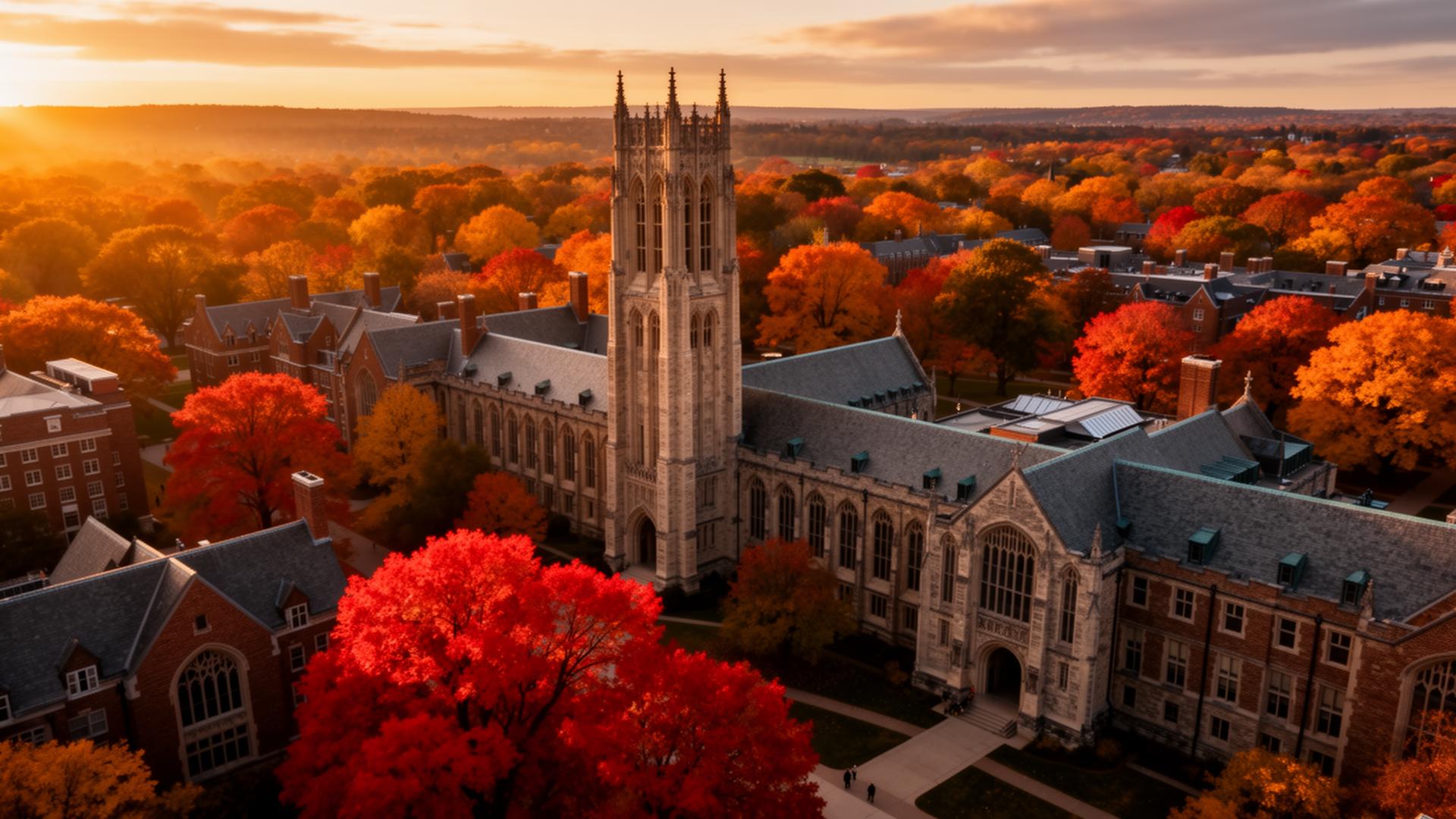
A Quantum Leap: Cornell Engineers Edge Closer to a Room-Temperature Superconductor
A decade of work in Clark Hall has produced what may be the most significant materials science breakthrough of the decade — and it began with a graduate student's stubborn intuition.
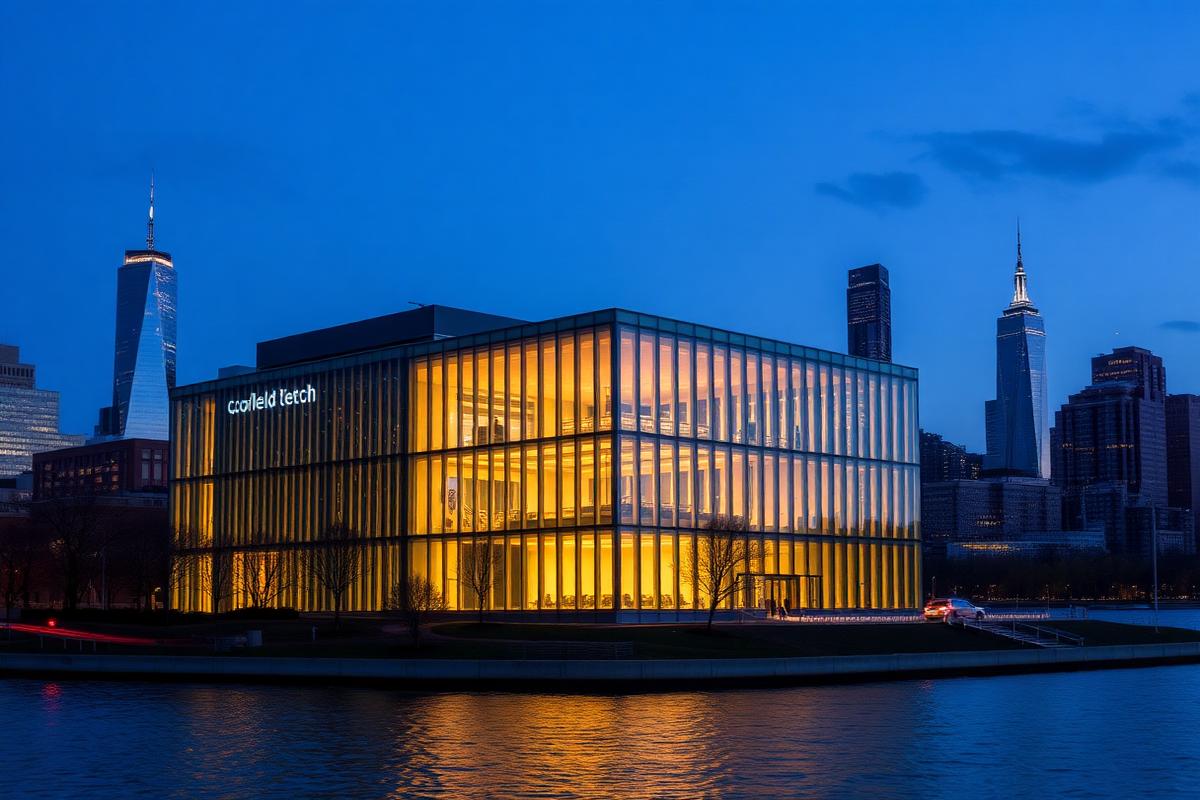
Ten Years on Roosevelt Island: How Cornell Tech Rewrote New York's Innovation Map
What began as a competition entry has become the second-largest startup engine in the Northeast.
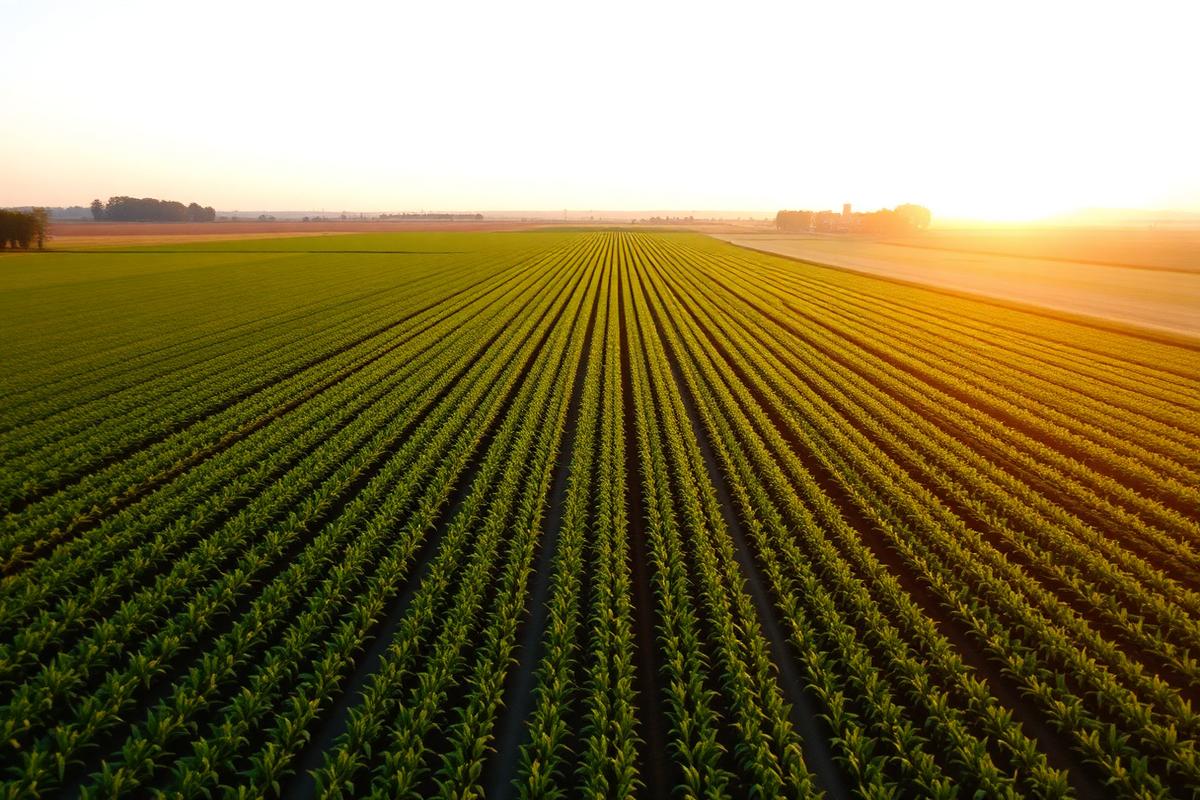
A Wheat Strain Born in Geneva, New York, May Feed East Africa Through the Next Decade
CALS researchers and partners in Nairobi are scaling a drought-resistant cultivar across three countries.