A Quantum Leap: Cornell Engineers Edge Closer to a Room-Temperature Superconductor
A decade of work in Clark Hall has produced what may be the most significant materials science breakthrough of the decade — and it began with a graduate student's stubborn intuition.

In a basement laboratory beneath Clark Hall, where pumps whirr against the building's foundation and the air carries the faint smell of liquid nitrogen, a small team of physicists has spent eleven years chasing a problem most of their colleagues quietly considered intractable.
On Tuesday morning, in the pages of Nature, that work arrived. A novel hydride compound — synthesized at Cornell, measured at Cornell, and verified independently at three national labs — appears to exhibit zero electrical resistance at temperatures approaching room conditions. If the result holds, it would rewrite the economics of energy transmission, magnetic resonance imaging, and the next generation of quantum processors.
"We didn't set out to change the world. We set out to understand why something was misbehaving — and then to keep being wrong, in interesting ways."
"We didn't set out to change the world," said Professor Marcus Halberstam, the lead investigator. "We set out to understand why a particular family of compounds was misbehaving. The rest followed from being wrong, repeatedly, in interesting ways."
The story of the discovery is, in many ways, a story about Cornell — about the institutional patience required to fund a project with no near-term payoff, about the unusual cross-pollination between the College of Engineering and the Department of Physics, and about a graduate student named Priya Anand who refused, in the spring of 2022, to accept that an anomalous reading was instrumentation error.
The result, if it survives the next wave of independent replication attempts, will likely be remembered alongside the discoveries that built the modern semiconductor industry — not for its immediate engineering applications, but for what it suggests about how much we still have to learn from materials we thought we understood.
Eleanor Whitfield is a senior science correspondent for The Cornell Post. She can be reached at ew@thecornellpost.com.
More From The Post
All Stories →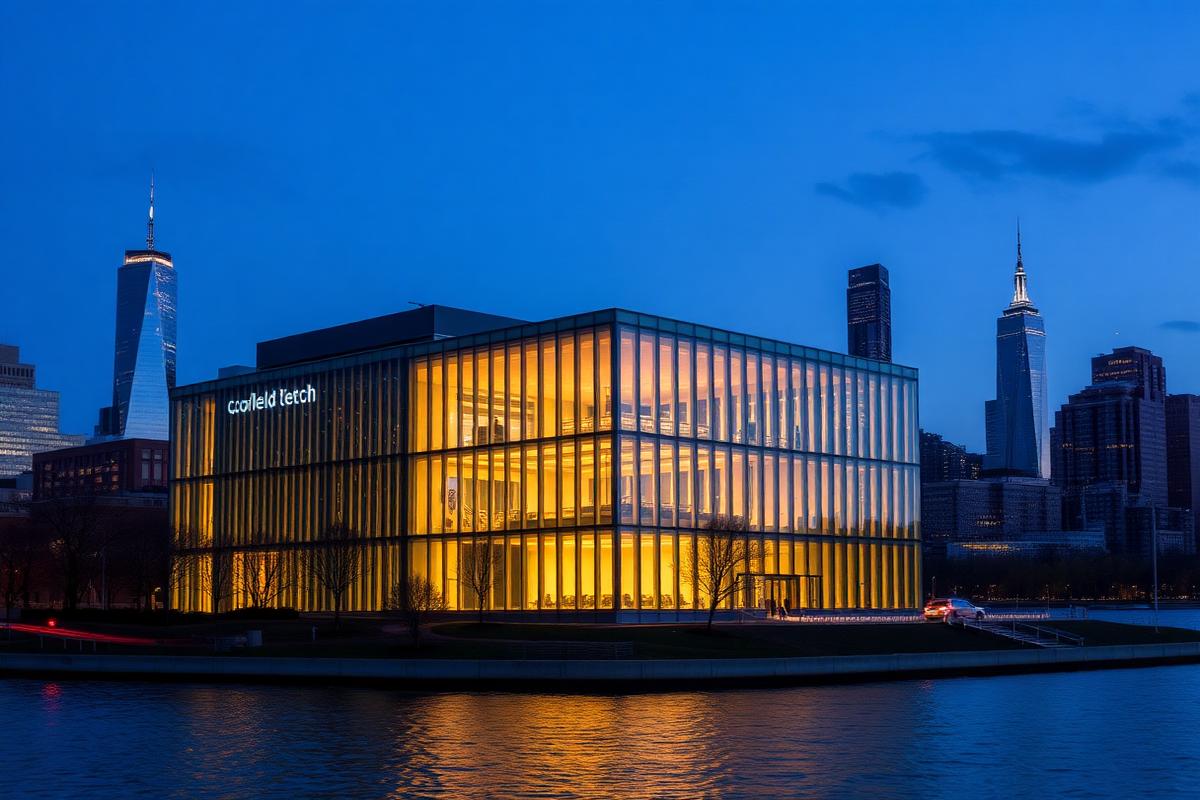
Ten Years on Roosevelt Island: How Cornell Tech Rewrote New York's Innovation Map
What began as a competition entry has become the second-largest startup engine in the Northeast.
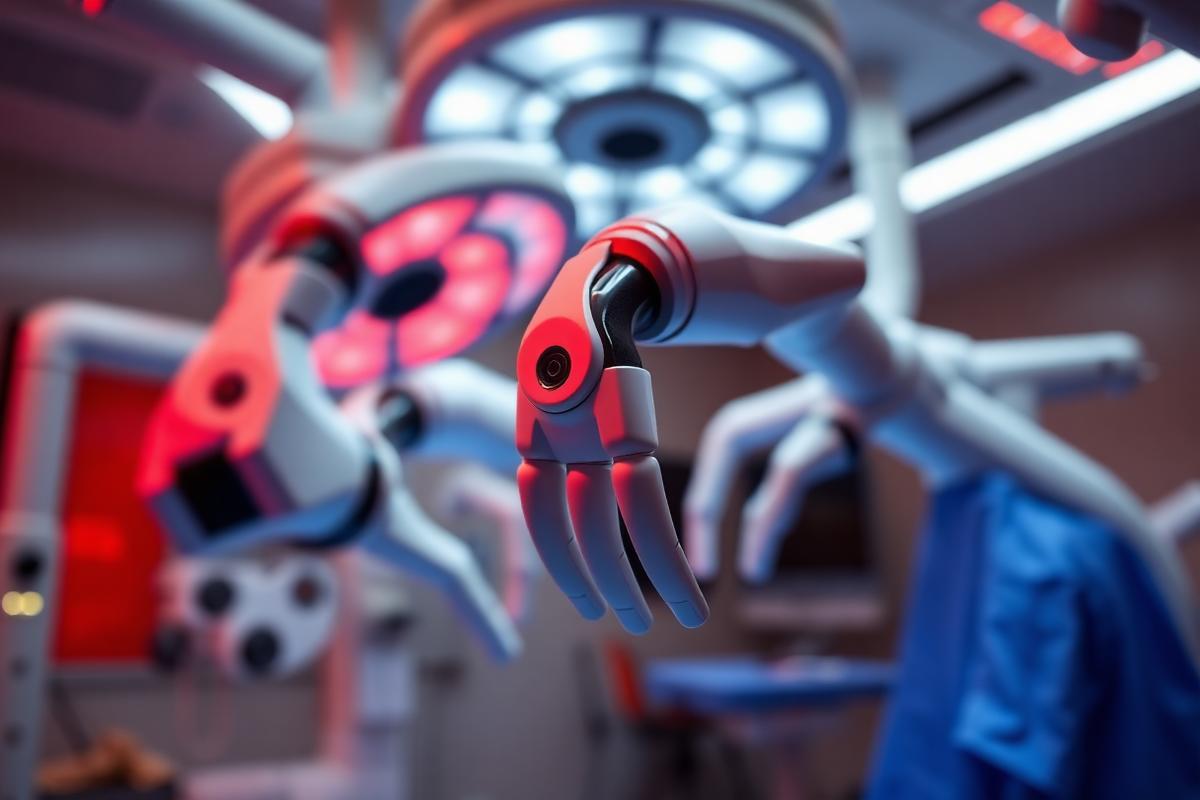
Weill Cornell Surgeons Complete First U.S. Trial of Semi-Autonomous Cardiac Surgery
A 47-patient study suggests AI-guided systems may match — and sometimes exceed — human precision.

A Wheat Strain Born in Geneva, New York, May Feed East Africa Through the Next Decade
CALS researchers and partners in Nairobi are scaling a drought-resistant cultivar across three countries.